

For decades, gaming was a one-way street: you paid for the software, spent hours mastering the mechanics, and enjoyed the digital experience. Once you turned the console off, the time and effort you put into the game vanished into the cloud.
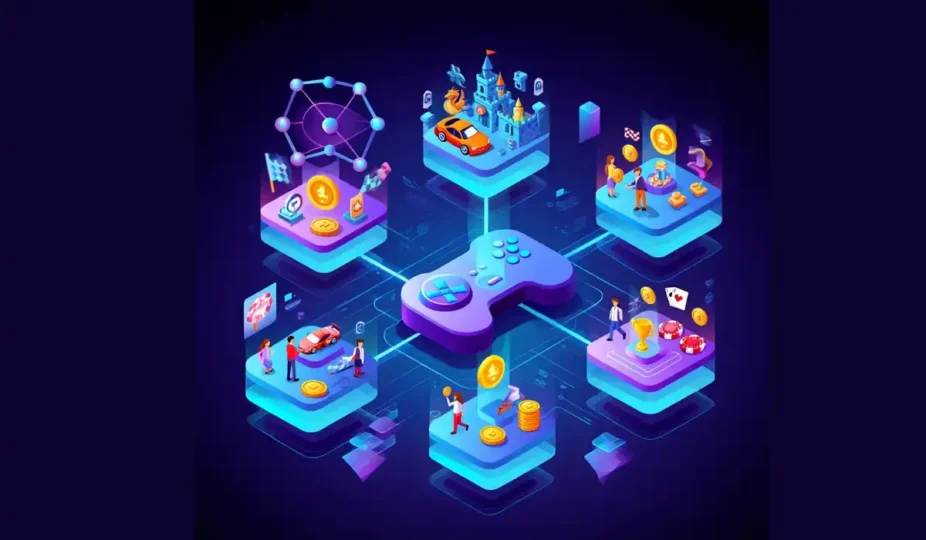
But with the rise of blockchain technology, the landscape has shifted. Today, “Play-to-Earn” (P2E) models allow players to turn their gaming hobby into a potential income stream. By integrating cryptocurrency and Non-Fungible Tokens (NFTs) into the gaming ecosystem, developers have created a world where your digital achievements hold real-world value.
If you’re curious about how to get started, you aren’t alone. In 2026, the intersection of gaming and finance is more accessible than ever. Here are five legitimate ways to earn crypto and NFTs through blockchain games.
1. Mastering Competitive Gameplay and Quests
The most straightforward way to earn in blockchain games is simply by playing well. Many P2E titles reward players for completing daily tasks, winning battles against other players (PvP), or progressing through complex dungeons.
In games like Axie Infinity or Thetan Arena, skill is often rewarded with in-game tokens. These tokens can be traded on exchanges or used within the game ecosystem. The logic is simple: the more time and skill you invest, the higher your potential rewards. Some games also feature leaderboard systems where the top-performing players earn significantly larger token payouts, turning casual play into a competitive professional pursuit.
2. Trading In-Game Assets as NFTs
In traditional games, your “legendary sword” stays on the developer’s server. In blockchain games, that sword is often an NFT. Because NFTs represent true ownership, you have the right to sell them on secondary marketplaces.
Many players focus on “flipping” assets, buying items, characters, or skins when they are undervalued and selling them for a profit as the game’s ecosystem grows. This strategy requires a keen eye for market trends and an understanding of the game’s utility. If a specific NFT provides a strategic advantage in combat, its value tends to rise alongside the game’s popularity.
3. Land Ownership and Digital Real Estate
If you enjoy the business side of gaming more than the combat, you might look into virtual real estate. Projects like The Sandbox and Decentraland allow users to purchase plots of virtual land.
Once you own land, you can monetize it in several ways:
- Renting: Lease your land to other players or creators who want to build experiences but don’t have the space.
- Creating Experiences: Build your own mini-games, galleries, or virtual shops on your land and charge an entry fee or sell digital merchandise.
- Appreciation: As the platform grows, prime digital real estate often increases in value, similar to physical property.
4. Breeding and Crafting for Profit
Several blockchain games incorporate “breeding” or “crafting” mechanics that allow you to generate new assets from your existing ones. For instance, in creature-collection games, you might breed two of your existing characters to create a new, unique NFT.
If your “offspring” inherits rare traits or high-performance stats, it could be highly desirable to other players who want to jumpstart their own journey. Similarly, in many MMORPG-style blockchain games, you can gather raw materials through gameplay and combine them to craft rare items. These items often command high prices on the marketplace because they save other players the time and effort required to gather resources themselves.
5. Participating in Governance and Staking
Many blockchain games issue governance tokens. By “staking” these tokens, effectively locking them up in the game’s smart contract for a period of time, you are often rewarded with additional tokens as a form of “interest.”
Beyond the financial reward, staking often grants you voting power. You get to have a say in the future development of the game, such as voting on new features, game economy adjustments, or artistic direction. It’s a way to be involved in the project’s long-term health, which is vital because your potential earnings are tied directly to the game’s success and sustainability.
Important Considerations for Beginners
While earning potential is exciting, it is important to approach blockchain gaming with a balanced mindset. Not every project is a “get-rich-quick” scheme, and the space carries inherent risks:
- Market Volatility: The value of gaming tokens and NFTs can fluctuate wildly based on market demand and sentiment.
- Game Sustainability: A game’s economy relies on a constant influx of new players and active participation. If interest wanes, the value of rewards can drop.
- Security: Always use reputable, secure wallets. Never share your seed phrase with anyone, and be wary of “too good to be true” offers or suspicious links.
- Initial Costs: While many games are “free-to-play,” some require an initial investment in NFTs to get started. Do your research and only invest what you are comfortable losing.
How to Get Started Safely
If you’re ready to dip your toes into this space, start with these steps:
- Set Up a Secure Wallet: Download a reputable crypto wallet (like MetaMask or a chain-specific wallet) and store your seed phrase offline.
- Research the Ecosystem: Look for games with active communities, transparent developer teams, and a clear, logical economy.
- Start Small: Don’t jump into expensive assets immediately. Play the free versions, learn the mechanics, and understand how the market works before committing significant capital.
- Track Trends: Stay updated on industry news. The best players are those who understand how updates and economic shifts affect the value of their digital assets.
Final Thoughts
Earning crypto and NFTs through blockchain games is an evolving frontier. It blends the creativity of game design with the power of decentralized finance, offering a unique way to participate in a digital economy.
However, remember that these games are, first and foremost, games. The most successful players are those who actually enjoy the experience. When you play for fun, the crypto and NFT rewards become a fantastic bonus rather than a stressful necessity.
By staying informed, being cautious with your investments, and focusing on sustainable strategies, you can navigate the world of blockchain gaming with confidence. Happy gaming!