

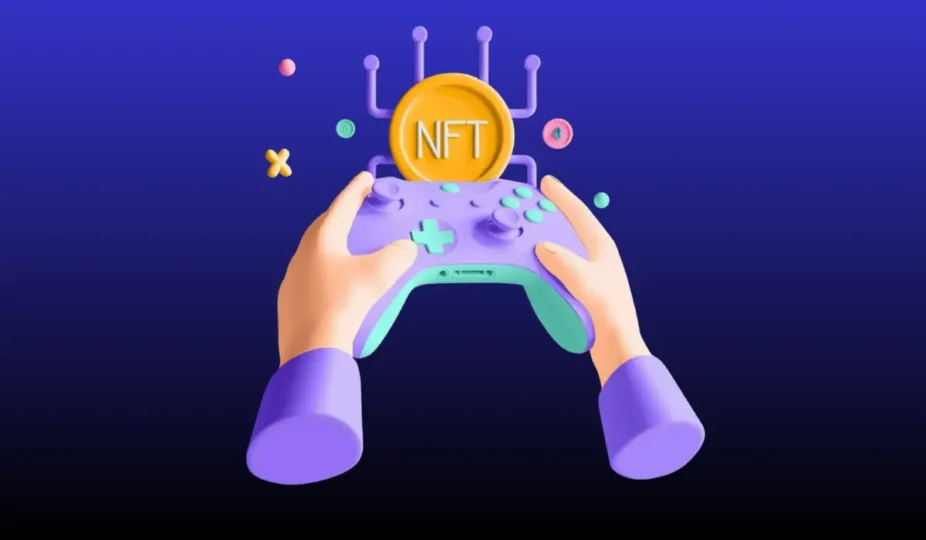
If you’ve spent any time online lately, you’ve probably heard the buzz about “NFT games.” For many, the idea of turning virtual playtime into real-world rewards sounds like a dream. But when you actually start looking for a game to play, the landscape can feel overwhelming. With thousands of titles out there, how do you separate the fun, legitimate projects from the ones that aren’t worth your time?
As a beginner, it is easy to get caught up in the hype. However, the best NFT game features aren’t just about flashy promises, they’re about accessibility, security, and whether the game is actually enjoyable to play.
In this guide, we’ll walk you through the essential features to look for so you can start your blockchain gaming journey with confidence.
What Makes an NFT Game “Beginner-Friendly”?
At its core, an NFT game is just a video game that uses blockchain technology to let you own your in-game items. Whether it’s a rare sword, a piece of virtual land, or a unique character, that item is yours, not the game developer’s.
For a new player, the “best” game isn’t necessarily the one with the highest potential earnings. It is the one that respects your time and provides a smooth experience. Look for games that prioritize a low barrier to entry, clear tutorials, and a friendly community.
1. Seamless User Experience (UX) and Interface
The biggest hurdle for newcomers is often the technology itself. You shouldn’t need a degree in computer science to navigate a menu.
The best NFT games for beginners provide:
- Intuitive Menus: You should be able to find your inventory, marketplace, and settings without getting lost.
- Easy Onboarding: Does the game walk you through setting up your first digital wallet? If it leaves you to fend for yourself immediately, that’s a red flag.
- Mobile or Browser Accessibility: You shouldn’t need a high-end gaming PC to get started. Many of the most successful games are lightweight enough to run in a web browser.
2. “Play-for-Fun” Over “Play-to-Earn”
This is the most important lesson for any newcomer: if a game isn’t fun, the financial aspect won’t make it worth playing.
Look for games that emphasize gameplay loops the core cycle of actions you take while playing. Are you battling monsters? Trading cards? Building a city? If the game feels like a chore, you’ll eventually burn out. A game that is genuinely engaging will keep you coming back long after the initial novelty of “earning” wears off.
3. A Sustainable In-Game Economy
In many NFT games, players interact with a marketplace to buy, sell, or trade assets. A healthy, beginner-friendly game has an economy that isn’t prone to wild, unpredictable swings.
When evaluating a game’s economy, consider these questions:
- Is there a clear utility? Can you actually use the items you buy? If an item is only valuable because someone else might buy it later, that’s speculative. It’s better if the item helps you progress in the game.
- Is it transparent? The best developers provide clear information about token supplies and how rewards are distributed.
4. Strong Security and Proven Reputation
Because you are dealing with digital assets that have real-world value, security is non-negotiable. Always research the developers behind a project.
- Check the Team: Are the developers known in the industry? Do they have a history of shipping high-quality games?
- Security Audits: Legitimate projects often have their “smart contracts” (the code that manages the game’s assets) audited by independent security firms.
- Community Vibe: Check their Discord or Telegram channels. Is the community helpful and welcoming, or is it filled with people just shouting about “moon prices”? A healthy community is a strong indicator of a project’s long-term viability.
5. Free-to-Start or Low-Entry Options
One of the most intimidating parts of blockchain gaming is the upfront cost. Some games require you to purchase an expensive “starter pack” of NFTs before you can even move your character.
For a beginner, look for games that offer a “Free-to-Play” or “Free-to-Start” model. This allows you to test the mechanics and see if you enjoy the gameplay before you commit any of your hard-earned money. If a game forces you to pay a large sum just to begin, proceed with extreme caution.
How to Get Started Safely
Once you’ve found a game that checks these boxes, follow these simple steps to ensure you’re protected:
- Set Up a Dedicated Wallet: Never use your primary crypto wallet for gaming. Create a separate, “burner” wallet specifically for your game assets. This limits your exposure if you ever connect to a malicious site.
- Start Small: Never invest more than you are willing to lose. Treat your initial purchases as a “gaming subscription” rather than a financial investment.
- Stay Informed: Keep an eye on the game’s official channels for updates. Projects change fast, and staying informed is the best way to protect your progress.
Conclusion
NFT gaming is still a new and evolving frontier. While the promise of ownership and rewards is exciting, the best strategy for a beginner is to keep it simple.
Focus on games that offer a high-quality, enjoyable experience first. Don’t be swayed by the promise of quick riches instead, look for solid gameplay, a transparent team, and a welcoming community. By prioritizing these features, you won’t just be entering the world of NFT games; you’ll be setting yourself up for a genuinely fun and rewarding experience.
Welcome to the future of gaming. Take your time, stay curious, and most importantly, enjoy the game!
Disclaimer: This guide is for informational purposes only. The blockchain gaming space involves financial risks. Always do your own research (DYOR) before participating in any project.